
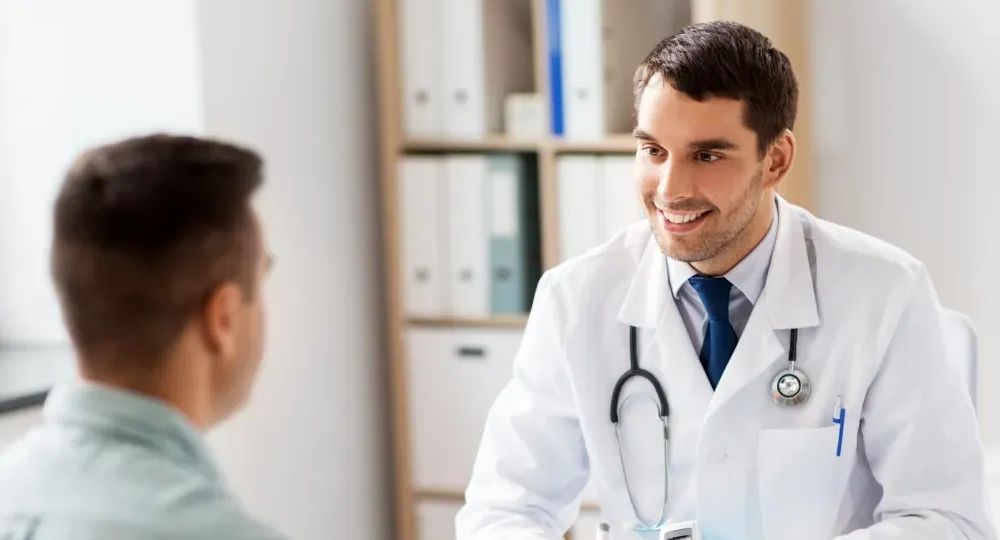
Primary care physician roles are evolving fast-discover how modern PCPs improve care, prevention, and patient outcomes today.
The role of the primary care physician has expanded beyond basic care to include prevention, chronic disease management, and digital health coordination. Today’s PCPs act as care navigators, focusing on long-term wellness, personalized treatment, and improved patient outcomes in a fast-changing healthcare system.
What if your doctor wasn’t just someone you visited when you were sick-but your lifelong health partner?
The role of the primary care physician (PCP) has changed dramatically. Today, PCPs do far more than diagnose illnesses. They guide patients through complex healthcare systems, prevent diseases, and support long-term wellness.
Modern medicine demands a proactive approach. That’s exactly where primary care physicians shine. They are now central figures in delivering efficient, personalized, and preventive care.
🩺 The Traditional Role Of Primary Care Physicians
In the past, primary care physicians focused on diagnosing and treating common illnesses. Patients would visit them mainly for acute conditions like infections or minor injuries.
Their responsibilities also included routine check-ups and basic screenings. However, their role was often limited to reactive care rather than proactive health management.
Despite these limits, PCPs built strong patient relationships. These relationships remain a core strength even today.
🔄 Shift Toward Preventive Healthcare
Healthcare is no longer just about treating illness. It’s about preventing it before it starts. PCPs now lead this transformation.
They focus on screenings, vaccinations, and lifestyle counseling. This helps reduce the risk of chronic diseases like diabetes and heart conditions.
Preventive care also lowers healthcare costs. Patients stay healthier, and fewer hospital visits are needed.
📊 Key Differences: Then Vs Now
|
Aspect |
Traditional PCP Role |
Modern PCP Role |
|---|---|---|
|
Focus |
Treat illness |
Prevent disease |
|
Patient Interaction |
Occasional visits |
Continuous care |
|
Technology Use |
Minimal |
Advanced digital tools |
|
Care Approach |
Reactive |
Proactive |
🤝 Patient-Centered Care Approach
Modern PCPs prioritize patient-centered care. This means focusing on individual needs, preferences, and values.
Doctors now involve patients in decision-making. This builds trust and improves treatment outcomes.
Patients feel heard and respected. As a result, they are more likely to follow medical advice.
💻 Integration Of Technology In Primary Care
Technology has transformed primary care. Electronic health records (EHRs) make patient data easily accessible.
Telemedicine allows virtual consultations. Patients can now connect with their doctors from home 📱.
Wearable devices also help track health metrics. PCPs use this data to provide better care.
🧠 Managing Chronic Diseases Effectively
Chronic diseases require ongoing care. PCPs now play a key role in managing these conditions.
They monitor patient progress and adjust treatments regularly. Conditions like hypertension and diabetes need consistent attention.
This approach improves quality of life. Patients experience fewer complications over time.
Before diving deeper into how primary care is evolving, it’s important to understand how patients interact with their doctors today. Many people search for a primary care physician to build a long-term relationship focused on prevention and overall wellness. This relationship goes beyond treating symptoms-it creates a foundation for lifelong health.
When people look up a pcp near me, they often want convenience and trust. They seek a doctor who understands their history and can guide them through health decisions. Accessibility and personalized care are now top priorities in choosing a PCP.
🌍 Expanding Role In Public Health
Primary care physicians now contribute to public health efforts. They help control disease outbreaks and promote vaccinations.
They also educate communities about healthy habits. This includes nutrition, exercise, and mental health awareness.
Their role extends beyond clinics. They are vital in improving population health.
🧬 Personalized Medicine And PCPs
Medicine is becoming more personalized. PCPs tailor treatments based on genetics, lifestyle, and environment.
This approach increases effectiveness. Patients receive care that fits their unique needs.
It also reduces trial-and-error treatments. Outcomes improve significantly.
📈 Importance Of Care Coordination
Healthcare can be complex. Patients often see multiple specialists.
PCPs act as coordinators. They ensure all treatments align and avoid duplication.
This reduces errors and improves efficiency. Patients benefit from a seamless experience.
🏥 PCPs As Healthcare Navigators
Navigating healthcare systems can be confusing. PCPs guide patients through this process.
They recommend specialists and interpret medical information. This support reduces stress for patients.
Think of them as your healthcare GPS 🧭.
📋 Core Responsibilities Of Modern PCPs
- Conduct routine check-ups
- Manage chronic illnesses
- Provide preventive care
- Coordinate with specialists
- Offer lifestyle counseling
These responsibilities highlight their expanded role in modern medicine.
🧑⚕️ Skills Required For Modern PCPs
|
Skill |
Importance |
|---|---|
|
Communication |
Builds patient trust |
|
Analytical Thinking |
Accurate diagnosis |
|
Tech Literacy |
Use of digital tools |
|
Empathy |
Better patient care |
Modern PCPs need both medical expertise and soft skills.
💡 Focus On Mental Health Integration
Mental health is now part of primary care. PCPs screen for anxiety, depression, and stress.
They provide initial treatment or referrals. Early intervention improves outcomes.
This holistic approach benefits overall well-being.
🌐 Telehealth And Virtual Care Growth
Telehealth has become essential. It offers convenience and accessibility.
Patients can consult doctors without travel. This is especially helpful in rural areas.
Virtual care also saves time and reduces waiting periods.
📊 Benefits Of Modern Primary Care
|
Benefit |
Impact |
|---|---|
|
Early Detection |
Prevents serious illness |
|
Cost Savings |
Reduces hospital visits |
|
Better Outcomes |
Improves quality of life |
|
Continuous Care |
Builds long-term health |
🧪 Data-Driven Decision Making
Data plays a big role in healthcare today. PCPs use analytics to track patient trends.
This helps in early diagnosis and treatment planning. Data-driven care is more accurate.
It also improves efficiency in clinical decisions.
🏡 Community-Based Care Models
Healthcare is moving closer to communities. PCPs work within local settings.
They understand community-specific health issues. This leads to better care strategies.
Community care also improves accessibility.
⚖️ Challenges Faced By Primary Care Physicians
Despite their importance, PCPs face challenges.
- High patient loads
- Burnout and stress
- Administrative burdens
- Limited resources
These challenges can affect care quality. Addressing them is crucial.
🚀 Future Of Primary Care Physicians
The future looks promising. PCPs will continue to evolve with technology and patient needs.
Artificial intelligence and predictive analytics will enhance care. Personalized medicine will become standard.
The focus will remain on prevention and patient-centered care.
💬 Why Primary Care Matters More Than Ever
Primary care is the foundation of healthcare. It ensures early detection and continuous support.
Patients benefit from long-term relationships with their doctors. This leads to better health outcomes.
As healthcare evolves, PCPs will remain essential.
🧾 Conclusion
The role of the primary care physician has transformed significantly. From treating illnesses to preventing them, PCPs now play a central role in modern healthcare. They combine technology, personalized care, and patient relationships to deliver better outcomes. As healthcare continues to evolve, their importance will only grow. Choosing the right PCP can make a lasting difference in your health journey.
❓ FAQs
What does a primary care physician do daily?
A primary care physician diagnoses illnesses and manages chronic conditions. They also provide preventive care and health advice. Their daily work focuses on improving patient health outcomes.
How do I choose the best PCP near me?
Look for experience, communication skills, and patient reviews. Consider location and availability. A good PCP should make you feel comfortable and heard.
Why is preventive care important today?
Preventive care helps detect diseases early. It reduces long-term health risks and costs. It also improves overall quality of life.
Can PCPs treat mental health issues?
Yes, PCPs can diagnose and treat common mental health conditions. They may also refer patients to specialists. Early support leads to better recovery.
Is telehealth replacing in-person visits?
Telehealth complements in-person care, not replaces it. It offers convenience for minor issues. However, physical exams still require clinic visits.
