

While some home healthcare and personal aides serve in group homes or care communities. Many of them are working in the homes of their clients.
While some caregivers deal with groups of customers, some only work with one. They occasionally remain with a single customer for an extended period or a particular objective.
To ensure the elder regularly has an assistant. They could work in shifts with other home care aide jobs assistants.
How to Work as a Personal Care or Home Health Aide
Caretakers may be permitted to provide medication to a client. This must be under the supervision of a nurse or another medical professional.
A high school degree or its equivalent is usually required for professional caretakers, while certain jobs do not. A standardized test and extensive training are prerequisites for employment. Especially in certified in-home care as well as hospice services.
Learning
A high school degree or its equivalent is normally required for assistants. While certain jobs do not, this also depends on your state. Community colleges and vocational institutions offer postsecondary nondegree award programs.
Registrations, Certifications, and Licenses
In-home assistants may be subject to state-specific regulations. For instance, aides may need to complete training. Also, pass their background check and a competency exam to obtain a license. Or it could also be certification in some areas.
Consult your state office for additional details. Regulations about the employment of aides must be followed.
Especially by certified hospice or senior-related organizations. Because they get funding from federally funded programs like Medicare. State-specific employment restrictions may apply to private organizations that lack federal funding.
Additionally, a CPR or first aid and cardiopulmonary resuscitation certification may be necessary for assistants. Check out https://www.campussafetymagazine.com/news/texas-lawmakers-pass-landon-payton-act-mandating-more-aeds-cpr-training-in-schools/171938/ for your awareness.
Significant Qualities
- Meticulous: To assist with client care, assistants must follow certain guidelines. They have to pay close attention to what other healthcare professionals tell them. This includes how to treat wounds.
- Emotional Intelligence: Clients’ requirements must be taken into consideration. Particularly when they are experiencing severe pain or anguish. Aides ought to have empathy and love serving others.
- Honesty: For clients and their families to trust professional assistants, they must be trustworthy and dependable. When assisting clients with personal tasks like bathing, they should also show respect.
- Social Abilities: Caregivers need to be able to interact with patients and other medical professionals. They must communicate information clearly and pay great attention to what is being said.
- Physical Endurance: In-home health aides should feel at ease performing manual labor. They may have to perform demanding duties. This includes lifting or turning clients or standing for extended periods of time.
Training
Housekeeping duties, such as preparing meals for clients with unique dietary requirements. This may be taught to a private caretaker, especially for an elder.
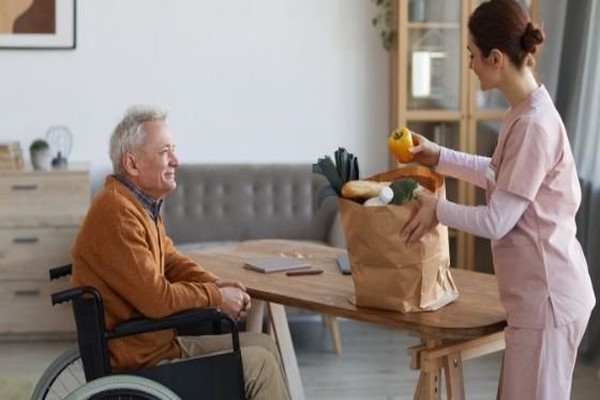
Basic safety procedures, such as emergency response, may be taught to aides. Particular training can be necessary if state licensing is required.
Programs or on-the-job training are both possible. Basic nutrition, infection control, vital sign reading and recording, as well as personal hygiene. These are all common topics covered in training.
Aides may also take some time to become familiar with each client’s preferences.
The Functions of Personal Care and Home Health Aides
Individuals with chronic illnesses or impairments are monitored by a caregiver. He also assists them with everyday tasks. They frequently aid elderly people in need. A health aide may be permitted to administer medication or monitor a patient’s vital signs. It’s under the supervision of a nurse or other medical professional.
- Assist in scheduling and scheduling appointments for clients.
- Make arrangements for transportation to medical facilities or other events.
- Purchase food and cook meals in accordance with a client’s dietary requirements. Go to this page to learn more.
- Maintain client participation in their communities and social networks.
- Help clients with everyday personal tasks like dressing or taking a shower.
- Complete household chores, including vacuuming, dishwashing, and laundry.
More Info
Depending on the law or state in which they operate. Caretakers may offer some basic health-related services. This includes:
- Monitoring a client’s temperature, respiration rate, and pulse.
- They might also assist in administering medication and performing basic suggested exercises.
- Occasionally, they may assist with braces and prosthetic limbs.
- They provide massages, change wound dressings, and treat the skin.
- Trained caretakers may also assist with medical devices like ventilators to assist breathing. That’s if they have received specialized training.
Caretakers may collaborate with other medical professionals. Of course, under the supervision of medical professionals, typically nurses.
The client’s condition, progress, and services received are all documented by these assistants. They notify a case manager or supervisor of any changes in the elderly person’s condition.
Caregivers are typically restricted to offering non-medical services. This includes transportation, cooking, cleaning, and companionship.
Some of these caretakers specialize in helping individuals with intellectual or developmental disabilities. They build behavior plans and teach self-care techniques like cooking or doing laundry.
